Rendering Arnold
Render Recolouring Arnold | Preparation & Coating Choice
A different colour can change the appearance of a house without replacing suitable existing render. That makes recolouring a distinct option, not a shortcut around repairs. In Arnold, a render-respray proposal should identify the retained surface, compatible coating and preparation needed. The application method then follows the product and surroundings, with the owner clear about the texture and details that will remain after the colour changes.

On this page
Confirm that decoration is the right scope
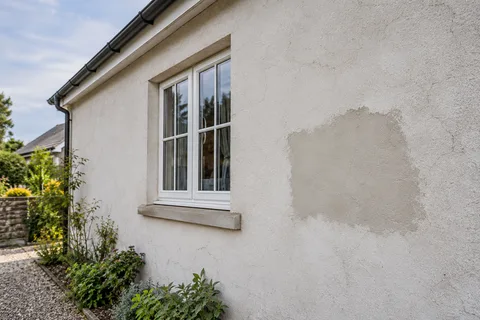
Fading or an unwanted shade may be primarily an appearance issue. Loose patches, recurring cracks or water damage need investigation before a coating is selected. The inspection should distinguish those conditions and identify any render repairs required. A fresh colour cannot restore attachment beneath a defective surface or explain why an earlier repair has failed.
The article on changing the colour of sound render discusses the decoration decision in detail. If the existing texture is the main problem, compare coating with a suitable replacement finish. Recolouring generally follows the relief underneath; coarse pebbledash does not become a smooth facade simply because a new coating is applied evenly over it.
- Clean Washed down, with algae and mould treated and left to work.
- Repair first Cracks and hollow patches are repaired before any coating.
- Prime or stabilise Where the coating maker requires it on that surface.
- Coating Usually two coats of a breathable masonry or silicone coating.
The usual order of work. The survey and the chosen products decide the actual steps.
Identify existing layers before choosing the next one
Product records, previous invoices and inspection findings can help establish the finish. Older paint may be weak even where the render beneath is sound. The proposed preparation and coating need to account for the layers that remain. An exterior-use label does not establish compatibility with every existing material or repair product.
Where the wall includes lime render, suitable future treatment is particularly important. A dense coating may conflict with the original material choice. Where the finish is a modern layered system, relevant manufacturer guidance can help identify an appropriate approach. If the material is unknown, that uncertainty should lead to assessment rather than a confident promise based only on appearance.
Choose cleaning and preparation that suit the surface
The method should match the material, condition and type of contamination. Aggressive washing or unsuitable chemicals can damage a finish or nearby components. A competent contractor should explain the proposed preparation and any relevant trial. The required condition before coating should follow the selected specification, not a fixed waiting period borrowed from another project.
Recurring marks deserve attention to their cause. A stain below a defective gutter or sill can reappear after decoration if the related problem remains. Identify who undertakes necessary repairs and how they are sequenced with the coating work. A decorative price should not imply that the finish itself will compensate for every fault in the surrounding building.

| Check | Reason |
|---|---|
| Condition | Defects may need separate repair |
| Existing layers | The new coating must be compatible |
| Texture | Decoration usually retains the relief |
| Sample | Product and colour need a clear approval |
Compare samples against retained materials
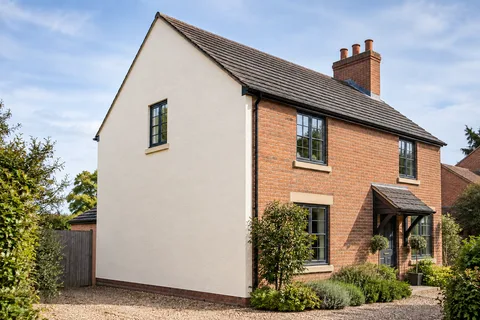
The roof, frames, exposed brick and neighbouring surfaces influence how the new shade appears. Assess a representative sample in the intended position and under normal light conditions. A small card viewed indoors is useful for narrowing choices but cannot show the full texture and exterior colour relationship. Record the precise product and colour reference once approved.
If more than one face is included, consider how shade and orientation change their appearance. A uniform coating does not mean every elevation will look identical at every time of day. The front-refurbishment article helps define the extent where the project is limited to the street-facing part of the house.
Decide the boundaries and protect everything outside them
Mark which surfaces receive the coating. Render, trim, metal components, stone and exposed brick may need different treatment or remain untouched. Include returns beside openings and areas behind fittings. The contractor should select an appropriate method for those details rather than assume spray application is suitable for every part of the facade.
Protection needs to account for windows, vehicles, planting, adjoining property and ordinary use of the building. Access should allow suitable preparation and application, including difficult high areas. If a separate access contractor is involved, identify the coordination and hire assumptions. A low decoration figure may exclude access that another proposal includes, so the scope must be compared before the price.
Complete repairs before the final coating stage
Repairs need suitable materials and preparation in relation to the retained finish and proposed coating. A new patch can differ in texture or absorbency, so the surface may need a specified treatment before decoration. Colour may become more consistent while changes in relief remain visible. The owner should understand that limitation before approving a small repair and expecting a wholly renewed appearance.
If investigation shows widespread failure, a new wall finish or pebbledash removal may need consideration instead. That change should be explained before coating proceeds. The cost guide helps separate the different scopes so the original recolouring enquiry does not become an unclear mixture of repairs and replacement without a revised agreement.
Keep the coating record for later maintenance
Retain the product details, colour reference and applicable cleaning or recoating guidance. Identify repaired areas and save useful photographs. A later contractor can then assess a new mark or alteration with information about the actual surface. A weathered colour viewed on a phone is a poor substitute for that material record.
For a wider exterior scheme, house rendering places decoration alongside other changes. The Rendering Arnold homepage keeps recolouring separate from new render and insulation. Its purpose is specific: renew or change the appearance of a suitable surface, with compatible preparation and realistic expectations about the existing texture, rather than use colour to hide work the wall still needs.
Common questions
Will a new colour hide rough texture or every repair?
A coating normally follows the existing relief. It may reduce colour contrast without removing coarse texture or making a repaired patch disappear. Review a representative sample and decide whether retaining that surface meets your aim. If the desired result requires a different texture, compare a suitable replacement scope separately.
Must every render coating be sprayed?
No. The application method should suit the chosen product, surface and surroundings. Broad faces, edges and areas around fittings may need different treatment within a suitable method. Ask how protection, preparation and inaccessible sections are handled, rather than choosing a coating solely because the service is described as respraying.
See housing and planning information for Arnold and nearby places, including the source and geography behind each figure.