Rendering Arnold
Lime Rendering Arnold | Compatible Traditional Finishes
Lime rendering can be appropriate where the construction and condition of a wall call for a compatible traditional finish. The decision needs more than the age or appearance of the house. For an Arnold property, identify the masonry, mortar, earlier coatings and sources of wetting before choosing the material. A clear proposal should explain what is retained, what is repaired and why the specified lime work suits the actual fabric.

On this page
Recognise different periods of work within one wall
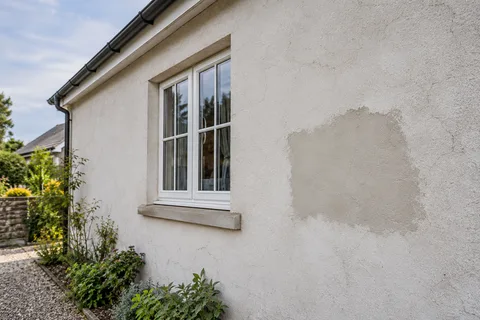
An older facade may contain modern infill, cement patches or altered openings. Those parts should be recorded alongside the original material rather than assumed to form one uniform background. Existing finish layers may also provide useful evidence. Where their composition is uncertain, the appropriate investigation should be identified before a replacement is prescribed.
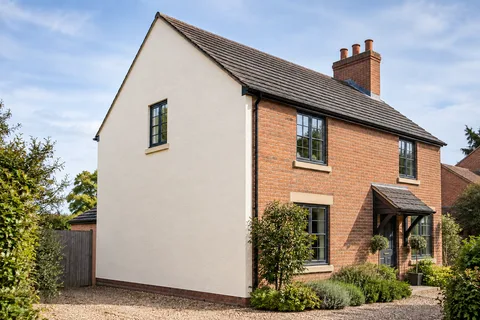
The house-rendering page considers how different parts of a property can relate visually. A later extension might need another system without changing the suitability of lime for an original wall. Conversely, the presence of an older house does not make the same lime specification appropriate for every later addition. The material reasoning should follow each assessed part of the building.
- Stone or brick masonry Cleaned of loose material and dampened so it does not draw water out too fast.
- First (scratch) coat Often haired; scratched to give the next coat a key.
- Second (floating) coat Applied once the first has firmed up; follows the line of the wall.
- Finish coat Thin final coat, kept damp and shaded while it cures.
- Limewash or mineral paint Optional decoration that keeps the wall permeable.
Wall on the left, finish on the right. Not to scale: coats, thicknesses and primers follow the chosen manufacturer’s system and the condition of the wall.
Separate material compatibility from water-source repairs
Traditional fabric can be affected by an unsuitable dense covering, but lime should not be advertised as a remedy for every damp mark. Gutters, roofs, ground levels and openings still need to function properly. The inspection should establish what contributes to wetting and which tasks are required, including related work by other trades where necessary.
If a local defect or stain is the immediate concern, render repairs explains the value of its history and position. A compatible new surface should not conceal evidence of a continuing leak before the cause is investigated. The repair and material proposal need to be connected, so the owner understands what the lime work addresses and what it does not replace.
Make hard-coating removal a controlled decision
Taking off a dense covering can damage fragile masonry or surviving earlier render. The method and extent should follow appropriate assessment and, where needed, a trial. The purpose is to understand the effect on the wall, not simply to clear an area as quickly as possible. It may be necessary to reconsider the technique or retained extent after the findings.
The pebbledash removal guide considers the wider replacement scope. Removing a rough finish does not guarantee attractive exposed brick beneath it. Previous repairs or damaged faces may have been concealed deliberately. A suitable lime-rendering proposal should account for what remains, without promising an unsupported restoration outcome before the background has been examined.

| Subject | Required explanation |
|---|---|
| Retained fabric | What is known about masonry and coatings? |
| Material | Which binder, aggregate or product is proposed? |
| Application | What arrangement and protection are needed? |
| Care | Which future coatings and repairs are compatible? |
Specify the material and surface clearly
The proposal should identify the binder or product, aggregate, coat arrangement, finish and relevant protection or curing approach. Different lime-based materials are not interchangeable. Choosing a stronger or faster-setting option solely because it sounds more durable can miss the compatibility question. The responsible specifier should explain significant choices in relation to the actual background and conditions.
A representative sample can establish the intended texture and colour. It needs to use the proposed materials, with an agreed relationship to retained details. Where the new work meets original render, a suitable repair may remain visible. The owner should understand that before expecting an identical new surface across an irregular or weathered wall.
Preserve the features that define the elevation
Shallow bands, surrounds, stone details and original edges can lose definition if surrounding material is applied without a clear boundary. Record which features stay and how the finish is intended to meet them. A suitable detail should be agreed before work starts, rather than decided after the surrounding wall has already received material.
Property-specific designation or consent requirements may also matter. Gedling Borough's conservation register provides wider context, but it does not establish the status of every Arnold address. Use the actual property information and appropriate advice for the proposed alteration. The specification and any relevant approval should describe the same material and extent, with later changes reviewed rather than assumed acceptable.
Give curing and protection a place in the programme
The selected material needs suitable application and curing conditions. The project should identify who provides protection, who checks the relevant stages and when access can be removed. A small area is not necessarily a same-day job, and another trade's preferred schedule should not override the requirements of the lime work.
For an occupied property, explain the entrances and windows that need consideration while protection remains in place. The contractor can establish a workable arrangement. Rainwater fittings and nearby work should be coordinated so new material is not unnecessarily wetted or disturbed. Those tasks belong in the programme rather than being treated as unrelated jobs around a surface that merely looks finished.
Keep future coatings compatible
Save the installed specification and the relevant care advice. A later dense coating or unsuitable patch can undermine the reasoning behind the original material choice. Before cleaning aggressively, repainting or attaching another finish, establish whether the proposed treatment is compatible. Exterior-use wording on a product is not enough to answer that question for a particular lime-rendered wall.
Our recolouring page describes a separate assessment rather than an automatic treatment for every surface. For a limited traditional elevation, wall rendering helps define the project. The Rendering Arnold homepage brings the services together while retaining the distinction: lime work is a specified response to the building's materials and condition, not a generic claim that every older-looking house needs the same finish.
Common questions
Is every older house suitable for the same lime mix?
No. Age alone does not establish masonry strength, condition, previous treatment or exposure. A competent specification should address the actual fabric and identify the proposed materials clearly. Different parts of a house can also have different construction, so a later extension may need separate consideration from the original wall.
Should all hard render be removed immediately from older masonry?
Removal needs assessment because it can damage the material underneath. A controlled trial may help establish the method and likely consequences before a wider scope is agreed. The appropriate decision should balance the existing condition, compatibility and removal risks, with specialist advice where the fabric or designation requires it.
See housing and planning information for Arnold and nearby places, including the source and geography behind each figure.